Digitally Generated Patterns: A Modern Approach to Creative Design
Digitally generated patterns represent a powerful intersection of technology and creativity, offering designers, developers, and creators a versatile tool to elevate their projects. These patterns are not just visual elements—they are dynamic assets that can be integrated into various stages of the design process, from initial planning to final implementation. Whether you're working on web design, branding, or digital art, understanding how to effectively use digitally generated patterns can significantly enhance your workflow and output.
Understanding Digitally Generated Patterns
Digitally generated patterns are created using advanced algorithms and software tools that generate intricate designs based on specific parameters. Unlike traditional hand-drawn or pre-designed patterns, these digital creations offer limitless variations and customization options. They are crafted with precision, ensuring clarity and detail that can seamlessly blend into any project.
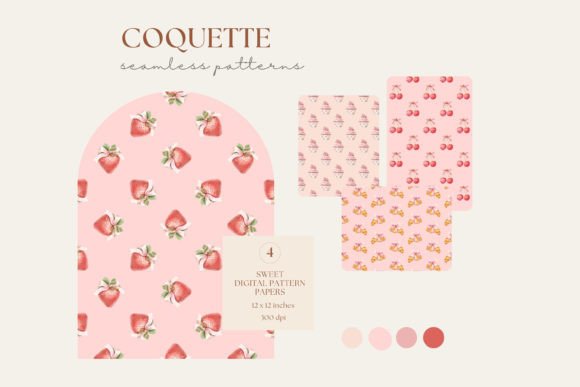
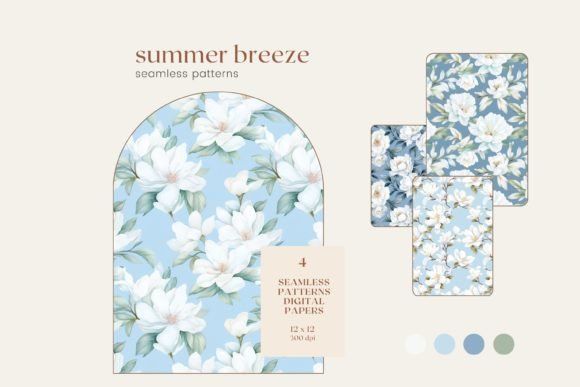
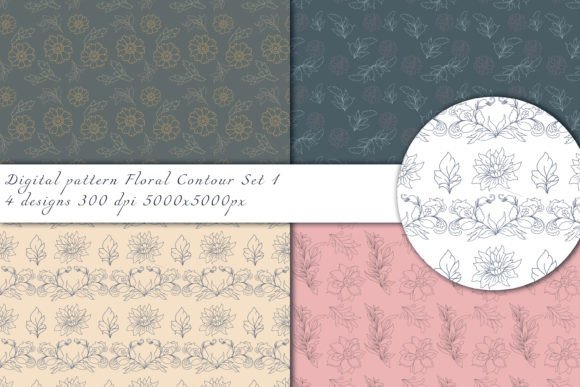
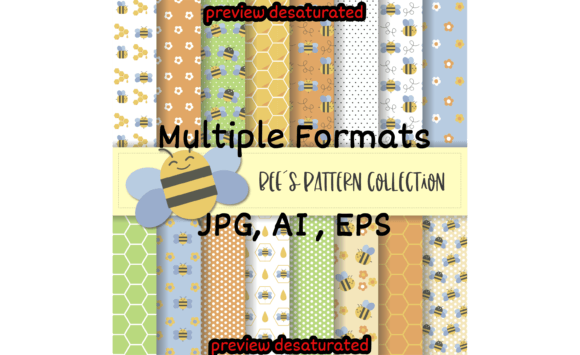
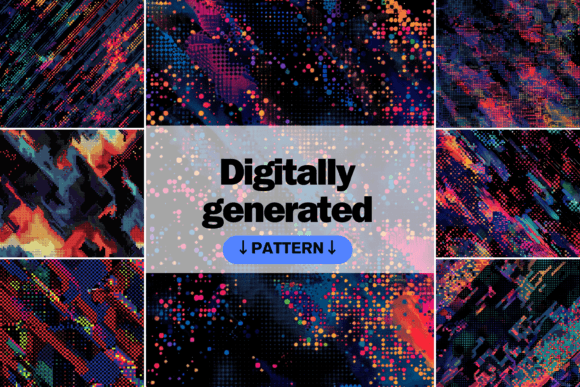
The Digitally Generated Patterns Collection features 20 innovative patterns designed for modern applications. Each pattern is meticulously crafted to showcase the seamless integration of technology and creativity, making them ideal for a wide range of uses—from stationery and digital backgrounds to web design and futuristic art projects.
Where Digitally Generated Patterns Fit in Your Workflow
Incorporating digitally generated patterns into your creative process can occur at multiple stages. Before starting a project, these patterns can serve as inspiration or a foundational element for your design direction. During the development phase, they can be used to enhance visuals, add texture, or create a cohesive aesthetic across different components. Even after the completion of a project, digitally generated patterns can be repurposed for future initiatives, ensuring consistency and efficiency in your work.
Pre-Project Planning
Before diving into a new project, consider using digitally generated patterns to establish a visual identity. For instance, if you're designing a website or branding materials, selecting a pattern that aligns with your brand's personality can set the tone for the entire project. This approach helps maintain a unified look and feel across all elements, from logos to background imagery.
During Project Development
As you develop your project, digitally generated patterns can be used to enhance user experience and visual appeal. In web design, for example, these patterns can be applied as background textures or overlays to add depth and interest without overwhelming the content. Their high-quality illustrations ensure that even subtle details remain clear and impactful.
Post-Project Implementation
After completing a project, digitally generated patterns can be stored in a centralized asset library for future use. This practice not only saves time but also ensures that your design language remains consistent across different platforms and outputs. It also allows for easy updates or modifications should your needs evolve over time.
Integration with Other Tools and Resources
Digitally generated patterns are highly compatible with a variety of design tools and platforms. Whether you're using Adobe Photoshop, Illustrator, or online design tools like Canva or Figma, these patterns can be easily imported and customized to fit your specific requirements. Their versatility makes them an excellent complement to other design assets such as fonts, icons, and photographs.
Additionally, digitally generated patterns can be used in conjunction with other digital resources such as AI-generated content, vector graphics, and interactive elements. This synergy allows for more complex and engaging designs that push the boundaries of traditional creativity.
Practical Implementation Tips
To get the most out of digitally generated patterns, it's essential to plan your workflow carefully. Start by identifying the purpose and context of each pattern within your project. Are you looking to add a subtle texture or make a bold visual statement? Understanding the role of each pattern will help you choose the right one for the job.
Another important consideration is compatibility. Ensure that the file formats of your digitally generated patterns are compatible with the tools and platforms you're using. Common formats such as PNG, JPEG, and SVG are widely supported and can be used across different applications without loss of quality.
Organization is also key. Create a structured system for storing and categorizing your patterns based on type, color scheme, or intended use. This will make it easier to locate and apply them when needed, improving both efficiency and consistency in your work.
Use Cases and Outcomes
The applications of digitally generated patterns are diverse and far-reaching. In marketing and branding, they can be used to create eye-catching visuals that stand out in a crowded marketplace. For educators and publishers, these patterns can enhance learning materials by adding visual interest and engagement. Freelancers and small business owners can leverage them to create professional-looking websites, presentations, and promotional materials without the need for extensive graphic design skills.
For hobbyists and artists, digitally generated patterns open up new avenues for experimentation and expression. They can be used as a foundation for larger artworks, incorporated into digital collages, or transformed through additional effects and overlays. The possibilities are truly endless.
Long-Term Use and Quality Control
When integrating digitally generated patterns into your long-term workflow, it's important to prioritize quality control. Regularly review and update your collection to ensure that all patterns meet your standards for clarity, detail, and relevance. This practice helps maintain a high level of professionalism and consistency across all your projects.
Additionally, consider investing in tools or services that allow for automated updates or enhancements to your pattern library. This can save time and effort while keeping your assets current and relevant in a rapidly evolving digital landscape.
By embracing digitally generated patterns, you're not only enhancing your creative toolkit but also staying ahead of the curve in a world where innovation and adaptability are key. Whether you're a seasoned professional or just starting out, these patterns offer a valuable resource that can transform the way you approach design and creativity.