Vintage Animal Patterns and Motifs: A Timeless Design Choice for Rustic Spaces
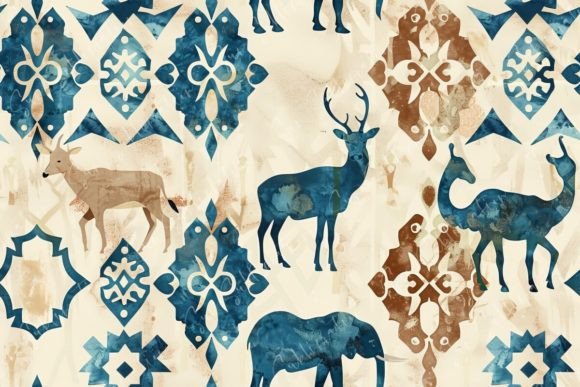
Vintage animal patterns and motifs have made a strong comeback in interior design, offering a nostalgic charm that blends seamlessly with modern aesthetics. These designs often feature animals like deer, elephants, birds, and more, rendered in intricate details and earthy tones. When paired with a rustic wallpaper design, such as one featuring deer and elephant motifs in earthy tones, the result is a space that feels both inviting and grounded. However, choosing and using these patterns requires careful consideration to ensure they enhance rather than overwhelm a room.
Understanding Vintage Animal Patterns and Motifs
Vintage animal patterns are not just decorative; they carry historical significance and cultural symbolism. These motifs can be traced back to various eras, from the Art Nouveau period to traditional tribal art. They often reflect the values and beliefs of the time they were created, making them rich in storytelling potential.
When selecting a vintage animal pattern, it's essential to consider the scale, color palette, and overall theme of the space. For example, a rustic wallpaper design with deer and elephant motifs in earthy tones can create a warm, welcoming atmosphere in a living room or bedroom. The key is to balance the visual weight of the pattern with other elements in the room, such as furniture, lighting, and textiles.
Common Mistakes and How to Avoid Them
One common mistake when incorporating vintage animal patterns is overusing them. It’s easy to fall in love with a particular motif and want to use it everywhere, but this can lead to a cluttered look. Instead, focus on one or two key areas where the pattern will make a statement, such as a feature wall or a piece of upholstery.
Another frequent error is ignoring the importance of color coordination. While earthy tones are generally versatile, they may not work well with every color scheme. Before purchasing a wallpaper design, take the time to visualize how it will complement your existing decor. Consider using online tools or apps that allow you to see how different colors interact in a virtual space.
Many people also overlook the impact of lighting on the appearance of a pattern. Natural light can dramatically change how a vintage animal pattern looks throughout the day. If possible, view the wallpaper in different lighting conditions before making a purchase decision. This step can help prevent disappointment later on.
Choosing the Right Wallpaper for Your Space
Selecting the right wallpaper involves more than just picking a favorite design. It’s important to evaluate the size and resolution of the image, especially if you're downloading a high-quality JPEG format. A wallpaper with dimensions of 4500 x 3000 pixels at 300 dpi ensures clarity and detail, which is crucial for large spaces or when printing.
Additionally, be mindful of the file format and whether it includes any watermarks. A clean, watermark-free JPEG allows for immediate download and use without any restrictions. This is particularly beneficial for creators and entrepreneurs who rely on high-quality visuals for their projects.
Before finalizing your purchase, check the product description for any disclaimers regarding color variation. Keep in mind that the colors you see on your screen may differ slightly from the actual printed product due to differences in monitor displays. This is a natural occurrence and should not deter you from making a purchase, but it’s something to be aware of.
Practical Tips for Using Vintage Animal Patterns Effectively
To maximize the impact of vintage animal patterns, start by defining the purpose of the space. Are you aiming for a cozy retreat or a more formal setting? The answer to this question will guide your choice of pattern and color. For instance, a rustic wallpaper design with deer and elephant motifs might be perfect for a cabin-style home, while a more subdued pattern could suit a contemporary office space.
Consider the texture of the wallpaper as well. Some vintage patterns are designed to mimic the look of hand-painted surfaces or aged paper, adding depth and character to a room. These textures can be enhanced with appropriate lighting and accessories, creating a layered, dynamic environment.
Don’t forget about the practical aspects of installation. Ensure that the surface you’re applying the wallpaper to is smooth and clean. Any imperfections in the wall can become more noticeable once the wallpaper is applied, so it’s worth investing time in proper preparation.
Realistic Examples and Better Approaches
Imagine you're redecorating a living room and decide to go with a rustic wallpaper design featuring deer and elephant motifs. Rather than covering all four walls, choose one wall as a focal point. Pair this with neutral-colored furniture and add pops of color through throw pillows or artwork. This approach keeps the room balanced and prevents the pattern from becoming overwhelming.
If you're unsure about the pattern's suitability for your space, try using a sample swatch first. Many retailers offer this option, allowing you to see how the pattern looks in your home before committing to a full roll. This small investment can save you from costly mistakes down the line.
For those who prefer digital downloads, remember that immediate access to the zipped file means you can begin working on your project right away. Whether you're an entrepreneur looking to refresh your brand's visual identity or a blogger seeking unique content for your audience, having high-quality vintage animal patterns at your fingertips can be a game-changer.
In conclusion, vintage animal patterns and motifs offer a beautiful way to infuse personality and history into any space. By being mindful of common pitfalls and taking the time to choose the right design, you can create a room that feels both stylish and comfortable. With the right approach, these timeless elements can elevate your interior design for years to come.