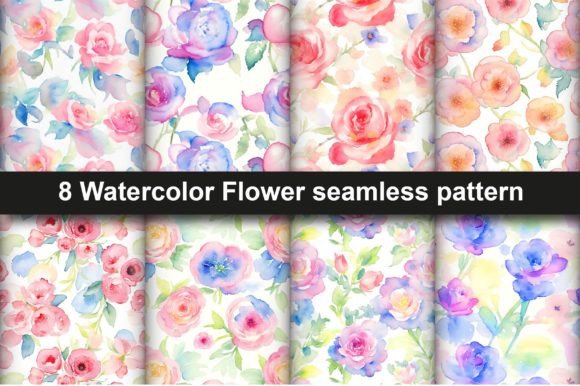
Watercolor Abstract Seamless Patterns: Strategic Design for Creative Projects
Watercolor Abstract Seamless Patterns are a versatile design asset that can elevate the visual appeal of numerous creative projects. These patterns, often available in formats like EPS and JPG, offer designers a unique way to add texture, depth, and artistic flair to fabrics, packaging, posters, and more. When used thoughtfully, they can become an essential tool in achieving both aesthetic and functional design goals.
Understanding Watercolor Abstract Seamless Patterns
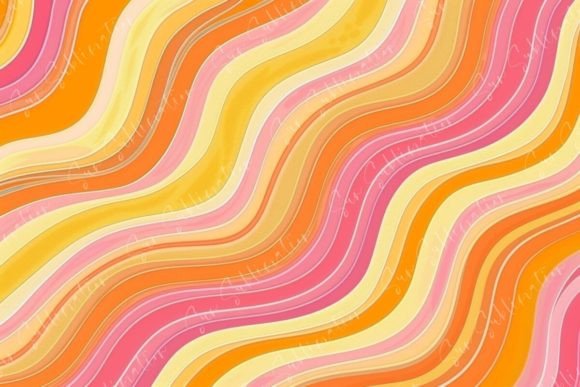
Watercolor Abstract Seamless Patterns combine the fluidity of watercolor painting with the precision of digital design. They are crafted to repeat seamlessly, making them ideal for applications such as textiles, wrapping paper, and interior decor. The abstract nature of these patterns allows for flexibility in interpretation, enabling designers to adapt them to various contexts without losing visual coherence.
These patterns are particularly useful for those seeking to infuse their projects with a sense of artistry and originality. Unlike traditional geometric or photographic patterns, watercolor abstract designs bring a dynamic, organic feel that can evoke emotion and creativity.
Strategic Use in Design and Branding
When integrating Watercolor Abstract Seamless Patterns into your design work, it's important to align them with your overall brand identity and project objectives. A well-chosen pattern can reinforce brand messaging, enhance user experience, and create a memorable visual impact.
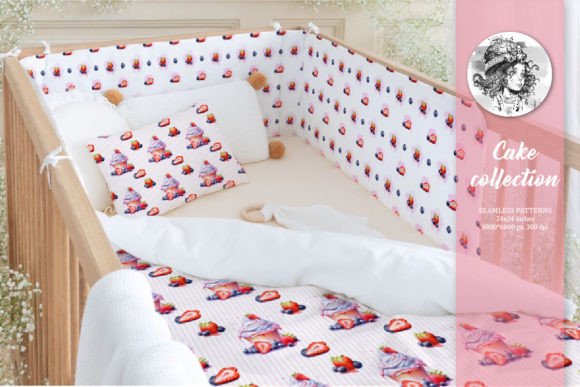
For instance, in fashion apparel or kid’s clothing, a soft, flowing watercolor pattern can convey a sense of playfulness and imagination. In contrast, a more subdued abstract design might be better suited for professional packaging or interior decor where a balance between sophistication and creativity is needed.
Consider the context and audience when selecting a pattern. A bold, vibrant watercolor pattern could attract attention in marketing materials, while a subtle, muted version may be more appropriate for educational resources or corporate branding.
Planning Your Design Strategy
Before incorporating Watercolor Abstract Seamless Patterns into your project, take time to define your goals. Ask yourself: What message do I want to convey? Who is my target audience? How will this pattern contribute to the overall look and feel of the product?
Once you have clarity on these questions, research different watercolor abstract patterns to find one that aligns with your vision. Experiment with color palettes, scale, and placement to ensure the pattern complements rather than overwhelms the design.
It’s also wise to consider the technical aspects of the pattern. Ensure that the file format (such as EPS or JPG) is compatible with your design software and that the resolution is high enough for the intended use—whether it’s for print or digital media.
Use Cases and Practical Applications
Watercolor Abstract Seamless Patterns can be applied across a wide range of creative fields. Here are some practical examples:
- Fashion Apparel: Use these patterns on t-shirts, scarves, or fabric accessories to add a unique touch that stands out from mass-produced designs.
- Interior Decor: Incorporate them into wall murals, cushions, or curtains to create a cohesive and visually appealing space.
- Packaging Design: Apply them to product boxes, labels, or wrapping paper to enhance the unboxing experience and reinforce brand personality.
- Scrapbooking and Quilting: These patterns can serve as backgrounds or accents in DIY crafts, offering a personal and artistic flair.
- Posters and Wrapping Paper: They provide an elegant yet eye-catching design element for promotional materials and gift wrap.
Each of these applications requires careful consideration of how the pattern interacts with other design elements. For example, a busy watercolor pattern may not be suitable for small text on a poster, but it could work beautifully as a background for a larger image.
When to Use and What to Consider
Watercolor Abstract Seamless Patterns are best used when you want to add visual interest without overpowering the main content of your design. They should complement rather than compete with typography, photographs, or other graphics.
Before relying on a pattern, evaluate its scalability and versatility. Will it look good at different sizes? Can it be adapted to multiple color schemes or modified for different applications? These considerations can help prevent costly redesigns or inconsistencies later on.
Additionally, think about the emotional response you want to elicit. A warm, pastel watercolor pattern might evoke feelings of comfort and nostalgia, while a more intense, colorful version could convey energy and excitement.
Risks of Improper Use
While Watercolor Abstract Seamless Patterns offer many benefits, using them without clear goals or context can lead to misalignment with your brand or project. For example, applying a highly decorative pattern to a minimalist website or app could confuse users and detract from the intended message.
Another risk is overusing the pattern, which can result in a cluttered or unprofessional appearance. Always maintain a balance between visual elements and functionality. Test your design in different scenarios to ensure it performs well across various platforms and mediums.
Intentional Design Choices for Long-Term Success
To use Watercolor Abstract Seamless Patterns effectively, approach them with intention and strategy. Start by defining your design goals and researching patterns that align with your vision. Then, test them in real-world contexts to see how they perform.
Consider creating a library of preferred patterns for future projects. This can save time and ensure consistency in your design output. Additionally, stay updated on trends and innovations in pattern design to keep your work fresh and relevant.
Finally, always prioritize usability and accessibility. Even the most beautiful pattern should support the purpose of the design. If a pattern interferes with readability or functionality, it’s better to choose a simpler alternative.
By making thoughtful, strategic decisions about how and when to use Watercolor Abstract Seamless Patterns, you can enhance your creative projects and achieve better results across a variety of industries and applications.