Green and Blue Ornamental Patterns: A Timeless Blend of Tradition and Versatility
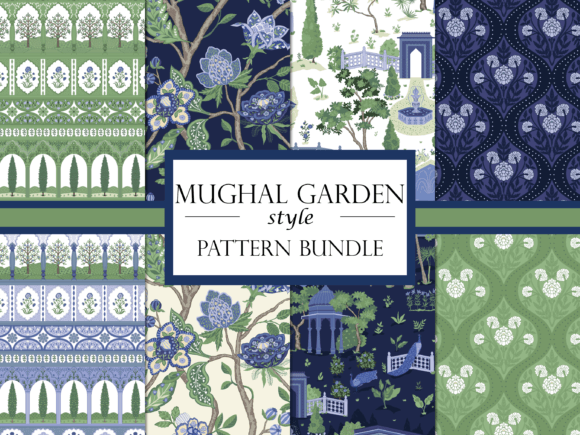
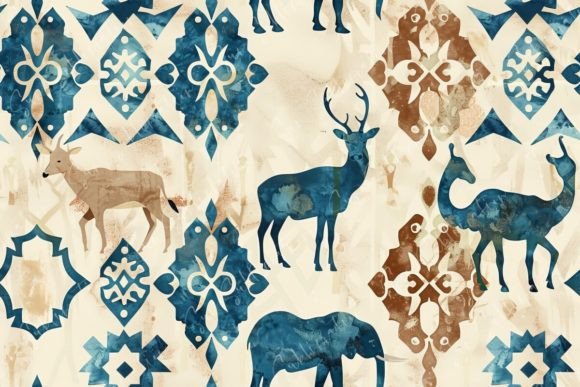
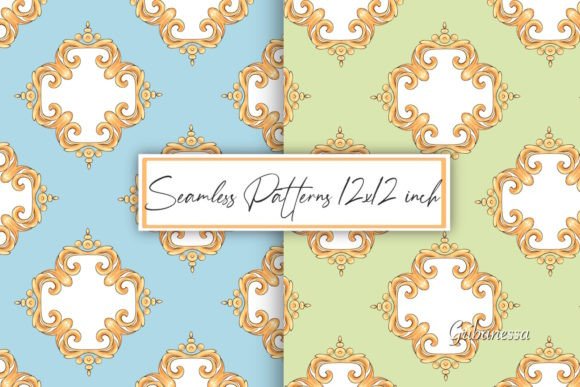
Green and blue ornamental patterns have long been celebrated for their aesthetic appeal and cultural significance. These designs, often rooted in traditional motifs from regions like Turkey and India, bring a sense of heritage and elegance to any project they adorn. Whether used in fabric design, wallpaper, or packaging, these seamless patterns offer a unique blend of visual richness and practicality. With high-resolution files such as the 3600x3600px JPG at 300 dpi, designers and creators can achieve professional results that stand out in both digital and print formats.
The Essence of Green and Blue Ornamental Patterns
Green and blue ornamental patterns are more than just decorative elements; they are a reflection of cultural narratives and artistic traditions. The color palette—green symbolizing growth and renewal, while blue represents calmness and depth—creates a harmonious visual language that resonates across different cultures. These patterns often incorporate vintage elements, such as intricate floral designs, geometric shapes, and ethnic motifs, making them versatile for various applications.
What sets green and blue ornamental patterns apart is their ability to convey a sense of timelessness. The inclusion of traditional Turkish and Indian motifs adds an authentic touch, allowing designers to connect with historical art forms while creating contemporary pieces. This blend of old and new makes them particularly appealing for those looking to infuse their projects with cultural depth and visual interest.
Key Characteristics and Practical Value
One of the standout features of green and blue ornamental patterns is their seamless nature. This characteristic ensures that when applied to large surfaces such as fabric or wallpaper, there are no visible seams or disruptions in the design. The high-resolution format of 3600x3600px at 300 dpi guarantees clarity and detail, which is essential for both small-scale prints and large-format applications.
Additionally, the versatility of these patterns allows them to be adapted for a wide range of uses. From textile design to gift wrapping, the adaptability of green and blue ornamental patterns makes them a valuable asset for professionals in the creative industries. Their ability to maintain consistency across different mediums ensures that the visual identity of a project remains cohesive and polished.
Strengths in Real-World Applications
In real-world scenarios, the strength of green and blue ornamental patterns lies in their ability to enhance the visual appeal of products without overshadowing the primary content. For instance, when used in packaging design, these patterns can create a luxurious feel that appeals to consumers looking for premium products. Similarly, in interior design, they can add a touch of sophistication to spaces through wallpaper or fabric accents.
Another notable strength is their compatibility with modern design trends. While rooted in tradition, these patterns can be easily integrated into contemporary aesthetics. Designers can manipulate the scale, color intensity, and placement of elements to suit current styles, ensuring that the patterns remain relevant and stylish over time.
Who Benefits Most from Green and Blue Ornamental Patterns?
Green and blue ornamental patterns cater to a diverse audience, including professionals in the fashion, interior design, and marketing industries. Entrepreneurs launching new brands can use these patterns to establish a distinctive visual identity that reflects cultural richness and artistic integrity. Marketers may find them useful in creating eye-catching promotional materials that resonate with target audiences.
For educators and publishers, these patterns can serve as teaching tools or visual aids that illustrate the beauty of traditional art forms. Small business owners, especially those in the handmade or artisanal sectors, can benefit from using these patterns in their product lines to differentiate themselves in competitive markets.
Moreover, serious hobbyists and creatives who enjoy DIY projects can leverage green and blue ornamental patterns to elevate their work. Whether it's crafting custom gift wraps or designing home decor items, these patterns provide a reliable foundation for creative expression.
Possible Limitations and Considerations
While green and blue ornamental patterns offer numerous advantages, it's important to consider potential limitations. The complexity of some designs may require careful application to avoid overwhelming the overall composition. Additionally, the traditional motifs may not align with every brand's aesthetic, so it's crucial to assess whether the pattern complements the intended message or theme of the project.
Designers should also be mindful of color contrast and scalability when using these patterns. Ensuring that the colors maintain their vibrancy and clarity across different mediums is essential for achieving the desired visual impact. Testing the patterns on various surfaces and under different lighting conditions can help identify any potential issues before finalizing a design.
Practical Recommendations for Using Green and Blue Ornamental Patterns
To maximize the effectiveness of green and blue ornamental patterns, consider the following recommendations:
- Experiment with Scale: Adjust the size of the pattern to suit the specific medium. Larger scales may be suitable for wallpapers, while smaller ones could work well for fabric prints.
- Balance with Simplicity: Pair complex patterns with minimalist elements to create a balanced composition that doesn't overwhelm the viewer.
- Test Across Mediums: Evaluate how the pattern appears on different materials and under varying lighting conditions to ensure consistent quality.
- Stay Authentic: Use the traditional motifs in a way that respects their cultural origins, avoiding appropriation or misrepresentation.
By keeping these considerations in mind, designers can effectively utilize green and blue ornamental patterns to enhance their projects while maintaining a respectful and thoughtful approach to cultural design elements.
Green and blue ornamental patterns represent a rich intersection of tradition and modern creativity. Their enduring appeal and adaptability make them a valuable resource for a wide range of professionals and enthusiasts. As you explore the possibilities of these patterns, remember that thoughtful application and respect for their origins will contribute to their lasting impact and relevance in your work.